
Climb with certified guides in Spain's best destinations
Tell us your plan and we will connect you with the right certified guide. Reply within 24 hours.
Featured climbing areas
Chulilla, Riglos, Montanejos... climb Spain's legendary crags with the people who know them best.
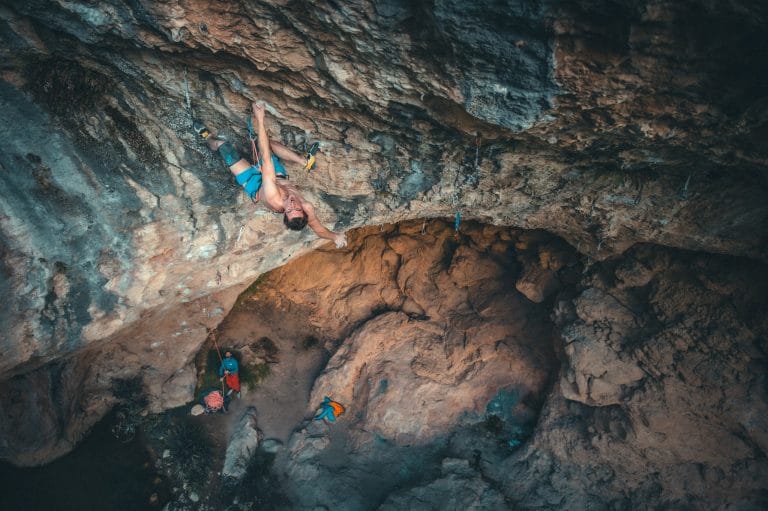

Meet the guides
Officially certified professionals who climb in their home areas every day. Behind every enquiry there is a person, not a platform.
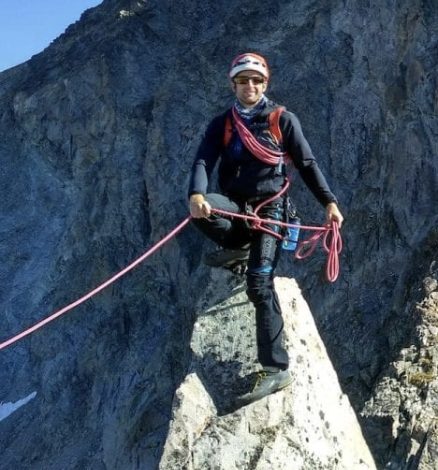 Comunidad de Madrid
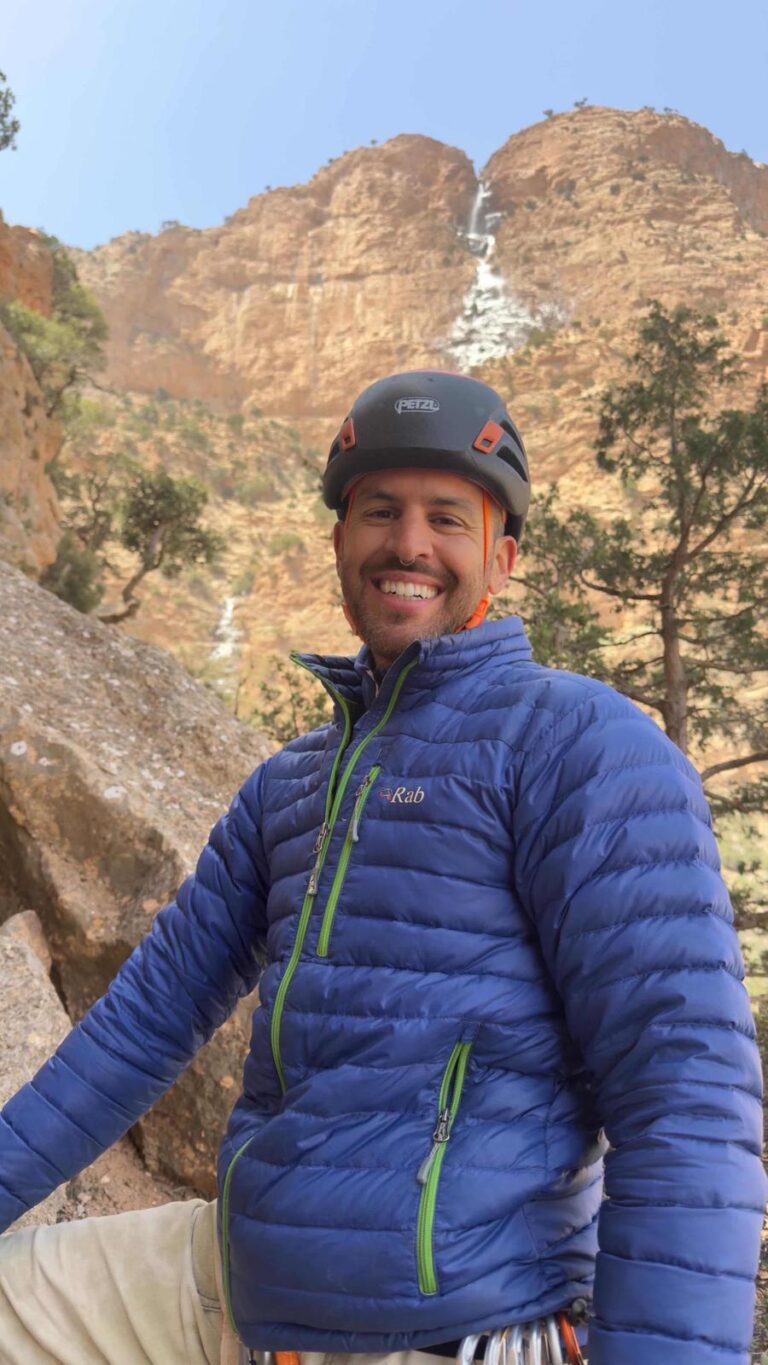 Murcia
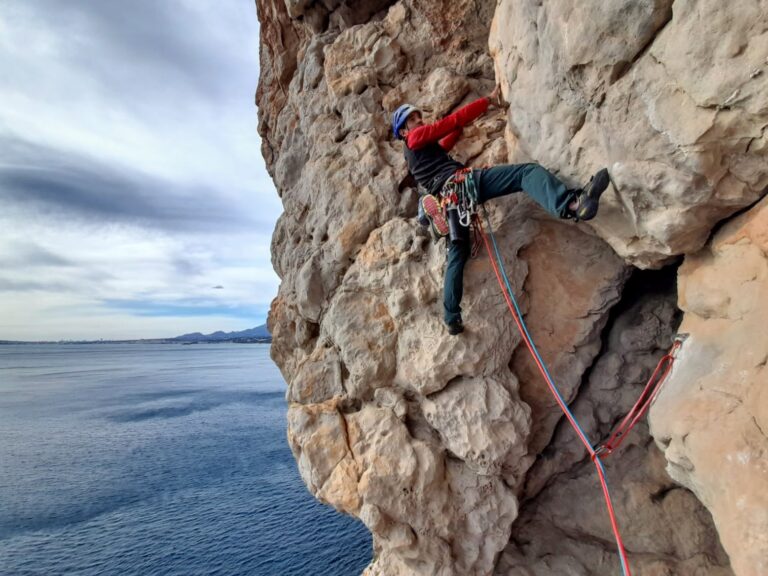 Alicante
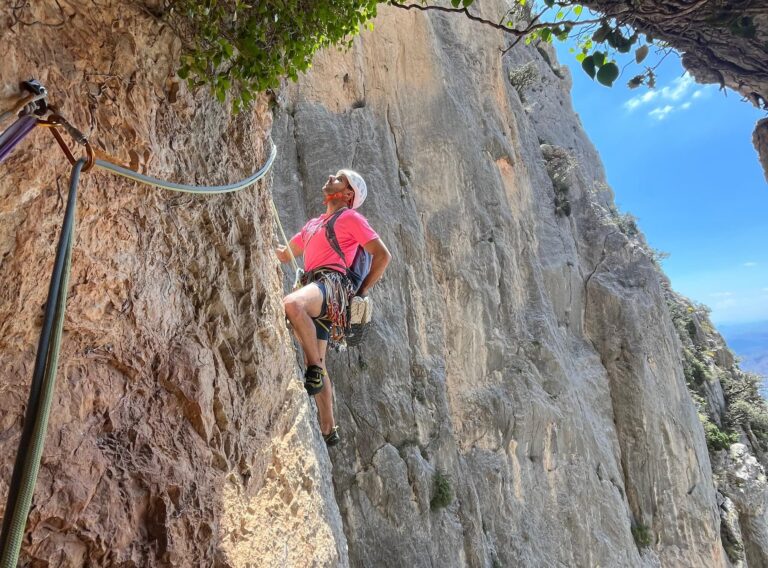 Castellón
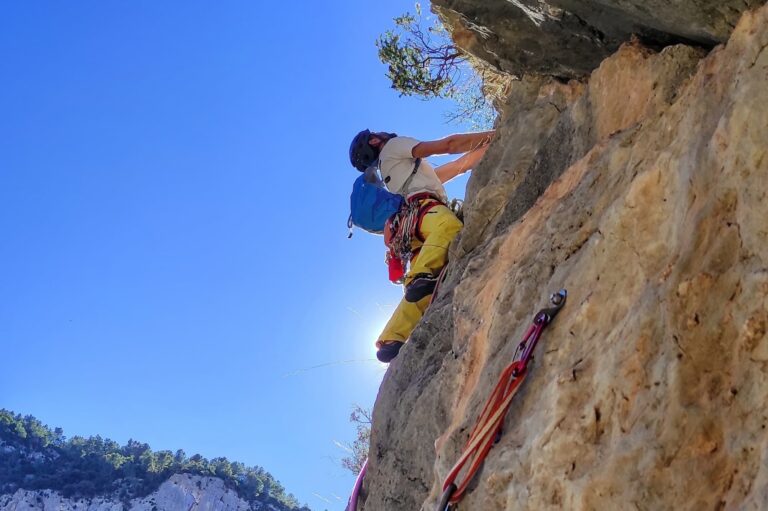 Castellón
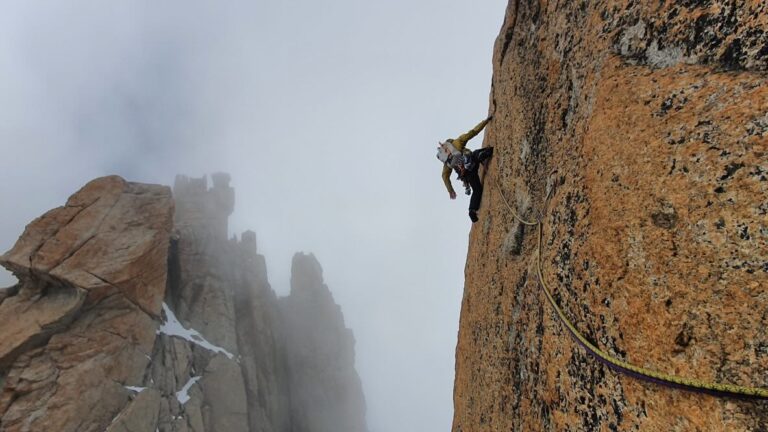 Barcelona
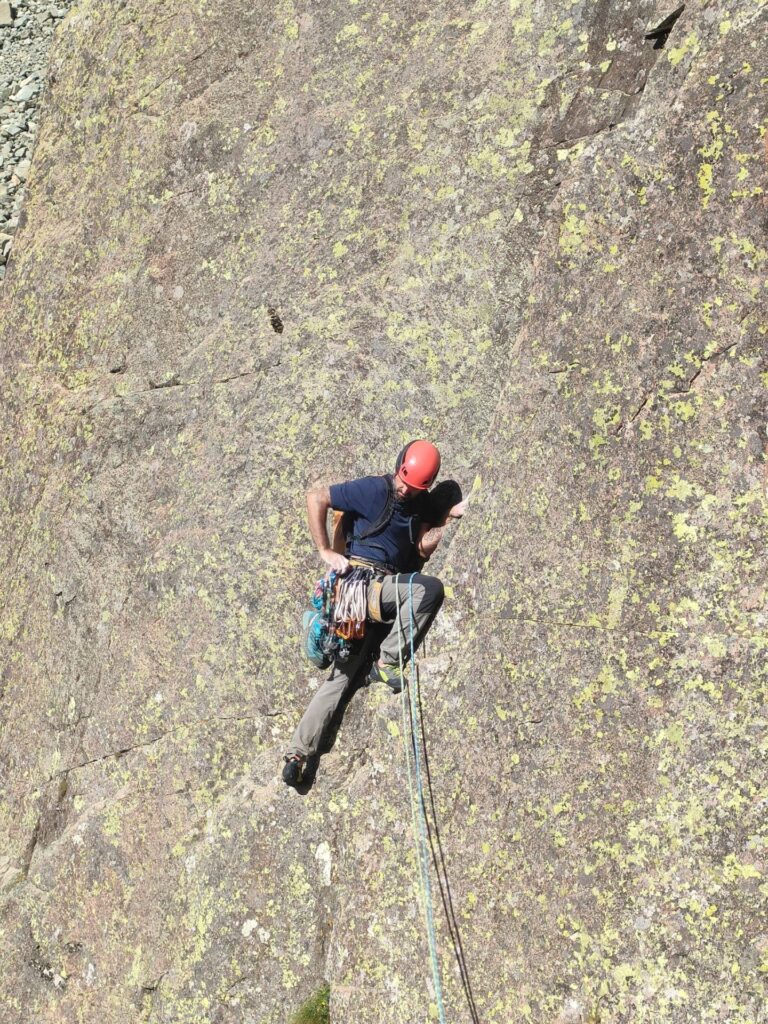 Alicante
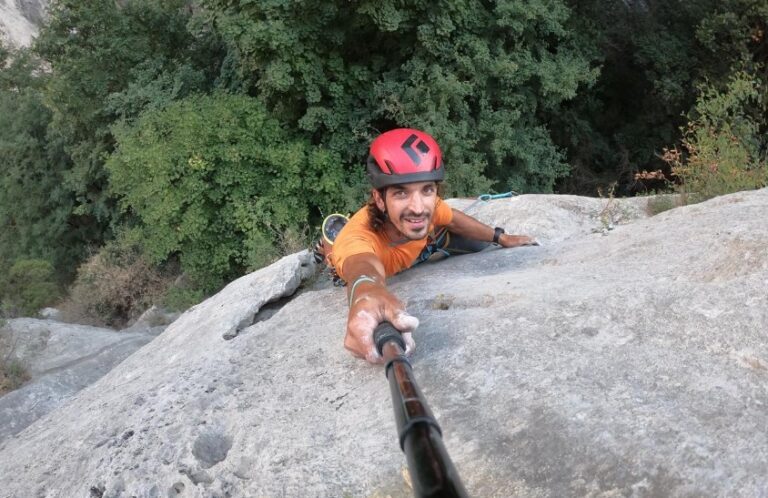 Alicante
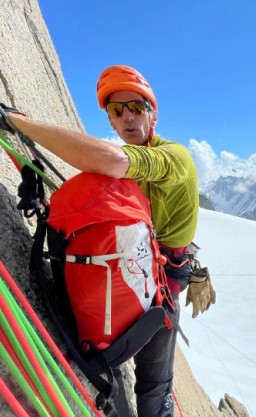 Aragón
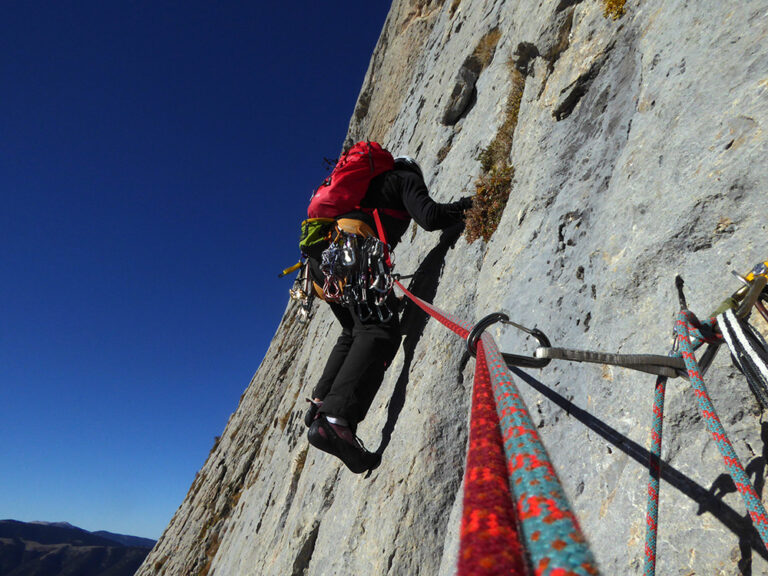 Alt Urgell
Climbing destinations in Spain
In-depth guides to Spain's classic crags: routes, grades, season and how to climb them with a certified local guide.
Join Destino Climbing
Join Spain's reference climbing directory: we send you enquiries from climbers looking for exactly what you offer, in your area.
Where do you want to climb?
Estés donde estés, hay un guía titulado cerca: 9 comunidades y 18 profesionales, y seguimos creciendo.
From screen to rock in three steps
Choose your area and activity
Browse the activities and courses available in each climbing destination.
Send your plan
Write to us and we will put you in touch with a certified guide.
Climb safely
Enjoy the day in the hands of a certified local guide.
Upcoming scheduled courses
Join the next scheduled courses with a certified guide (course pages in Spanish).
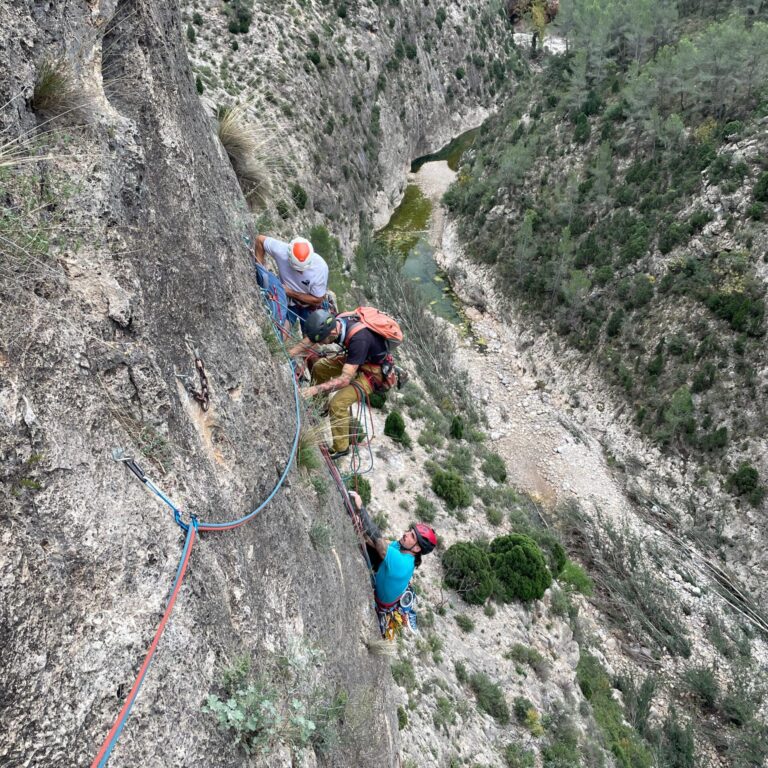
On-demand climbing courses
You pick the date and place, we provide the certified guide. Training made to measure, from beginner to multi-pitch.
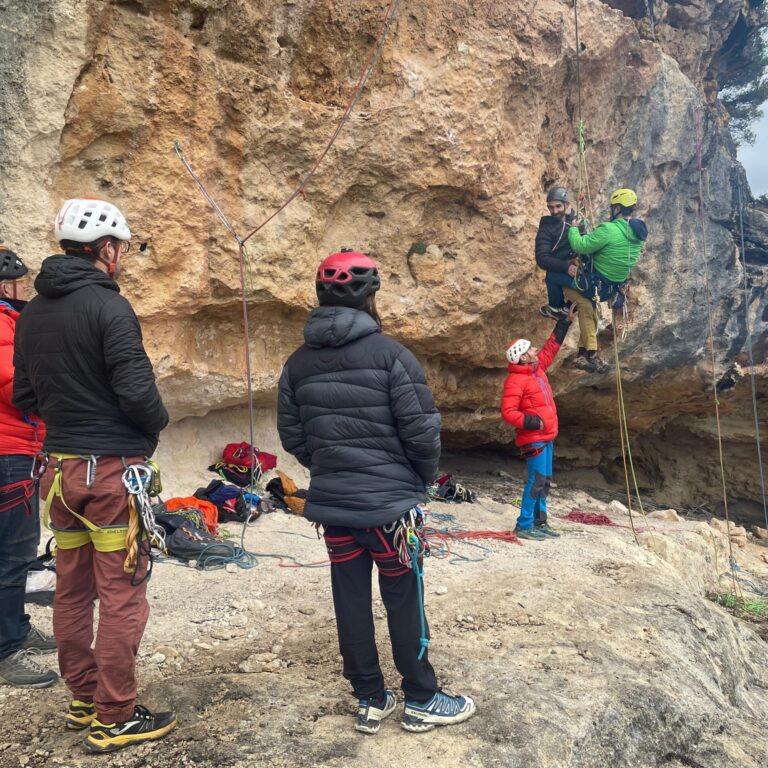
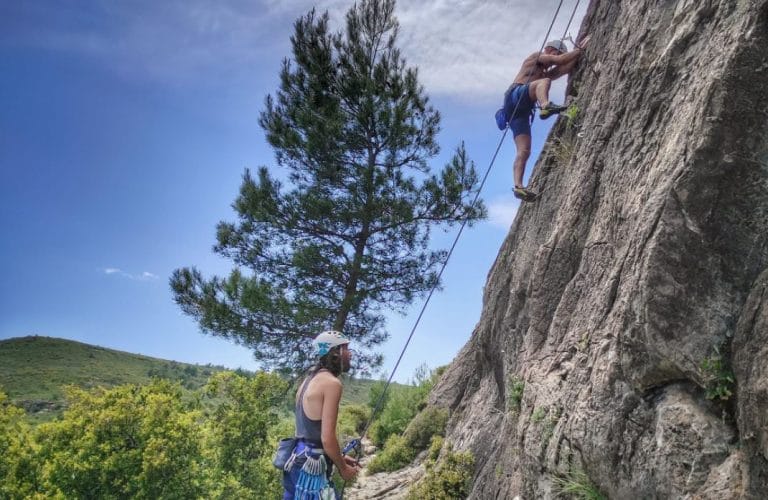
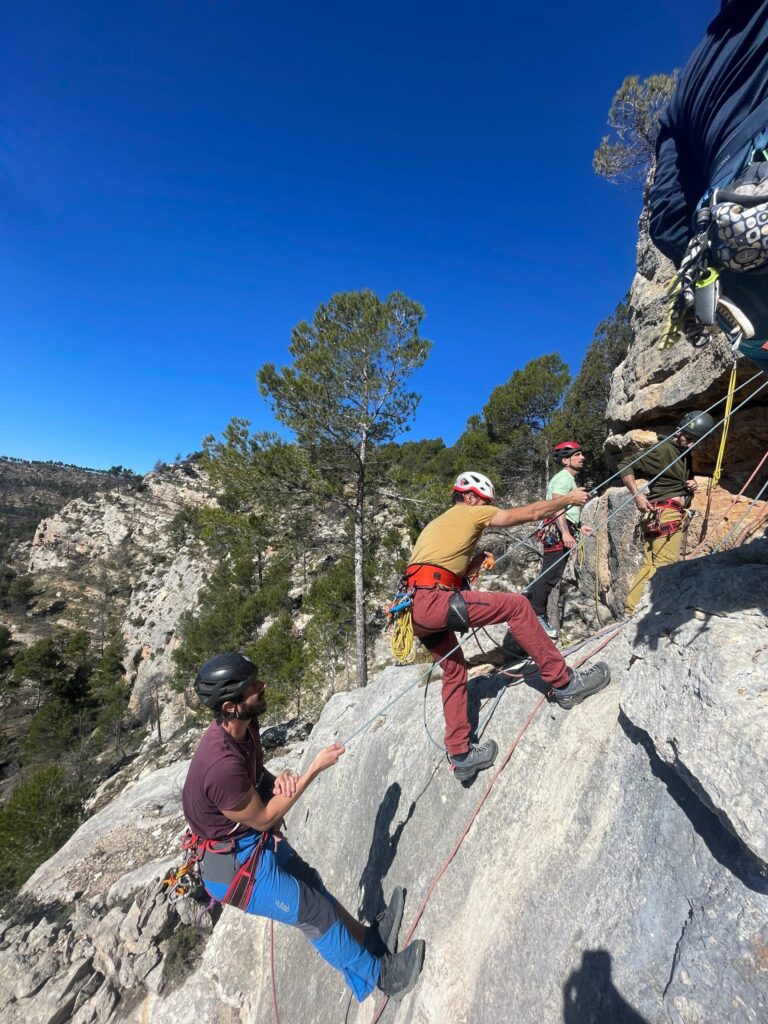
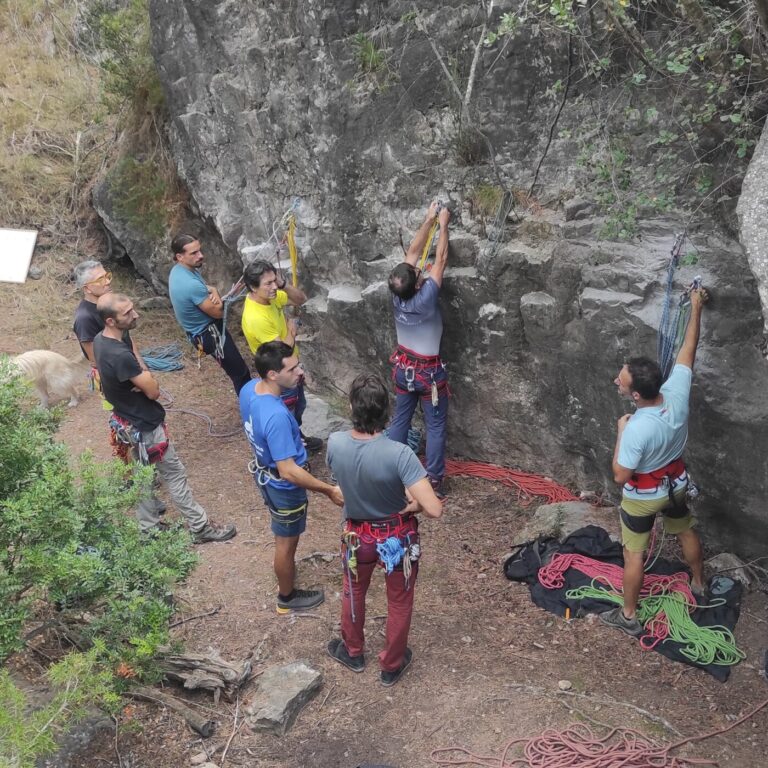
“¡Espectacular el curso! Hemos aprendido muchas cosas y, lo mejor, pasándolo bien. Recomiendo Destino Climbing a cualquier persona interesada en aprender y disfrutar de la montaña.”
“Curso muy completo y clarificador. Hemos practicado tanto técnicas esenciales como avanzadas, insistiendo en las rutinas básicas en las que cometemos errores a pesar de nuestra experiencia. Llevo más de treinta años escalando y me ha venido muy bien.”
“Buscaba una formación para ganar recursos y mejorar mis habilidades en la escalada de largos. Encontré el programa de Tecnificación de Destino Climbing y me pareció muy interesante. La realidad ha superado con creces las expectativas.”
“Curso perfecto para tener más recursos y seguridad en pared. Gran profe, bonitos lugares donde se imparte y grupo de compañeros súper majos.”
“Hice el curso básico de autorrescate en tapia. El monitor fue atento y agradable, y trabajamos maniobras necesarias. ¡Recomendable!”
Plan your trip
Sectors, grades, the best season and how to get there: guides we wrote after climbing there (in Spanish).
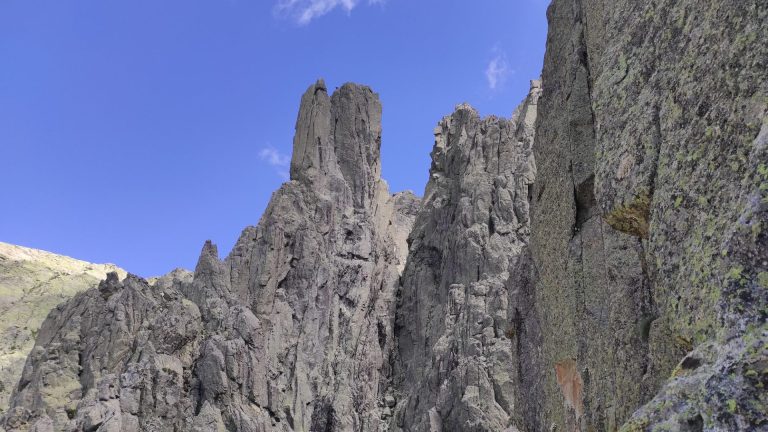 Castilla y León
Escalada en Los Galayos: la guía completa para escalar en el corazón de Gredos
Read the guide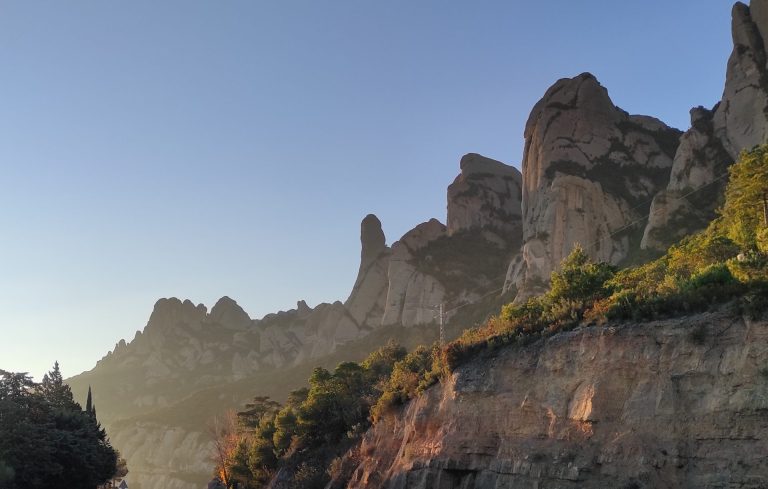 Catalunya
Escalada en Montserrat: la guía completa
Read the guide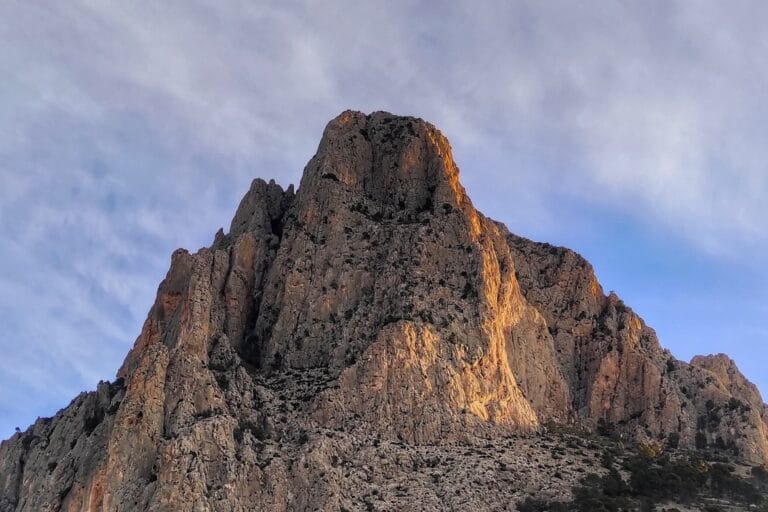 Comunidad Valenciana
Escalada en el Puig Campana
Read the guide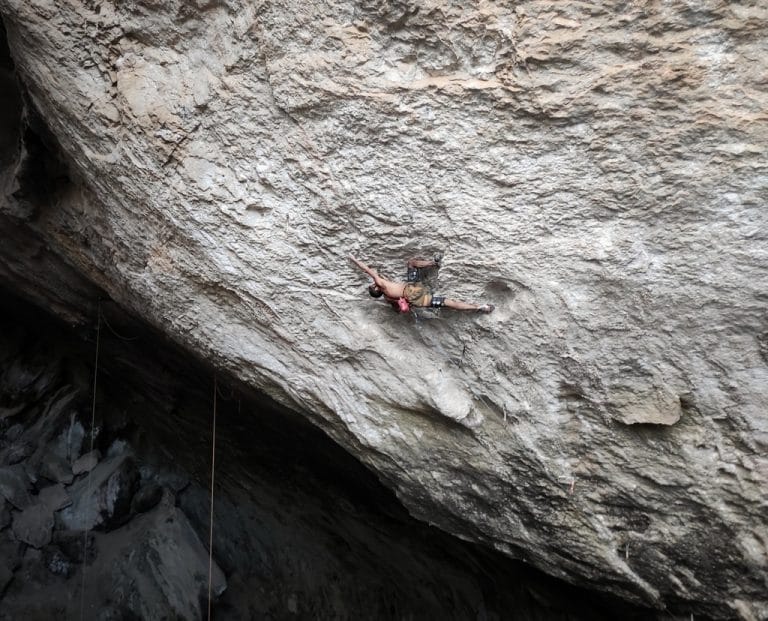 Comunidad Valenciana
Escalada en Cueva Negra de Montanejos
Read the guide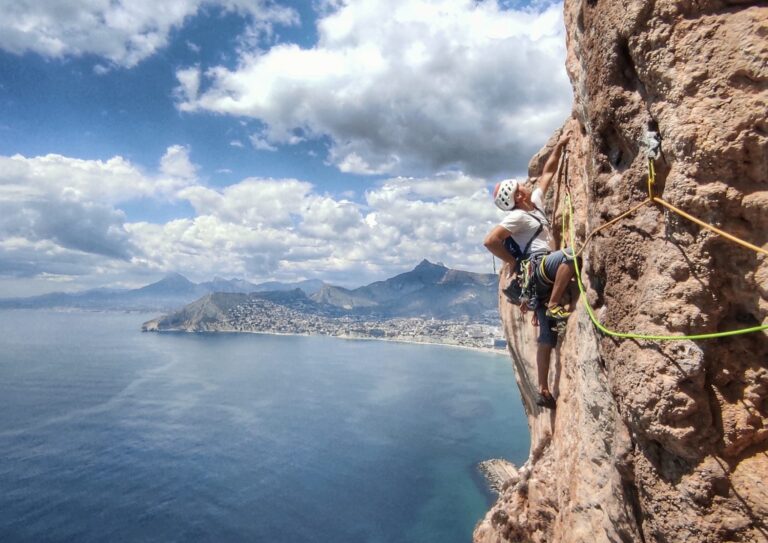 Comunidad Valenciana
Escalada en el Peñón de Ifach
Read the guide Aragón
Escalada en Riglos
Read the guide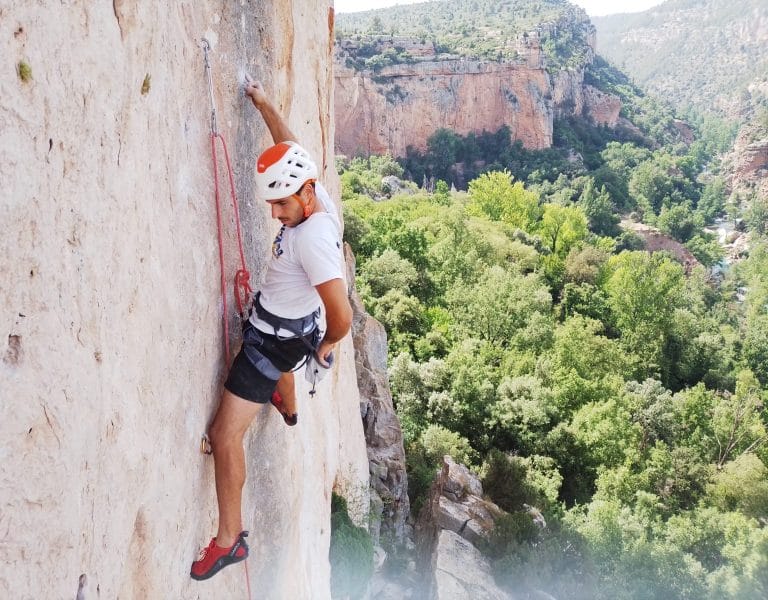 Teruel
Escalada en Olba | La guía completa
Read the guide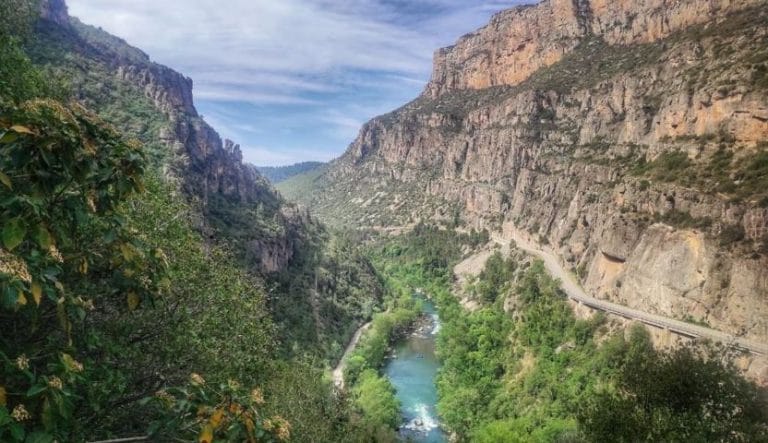 Catalunya
Escalada en Lleida
Read the guideRoutes you might like
Route-by-route reviews for your tick list (in Spanish).
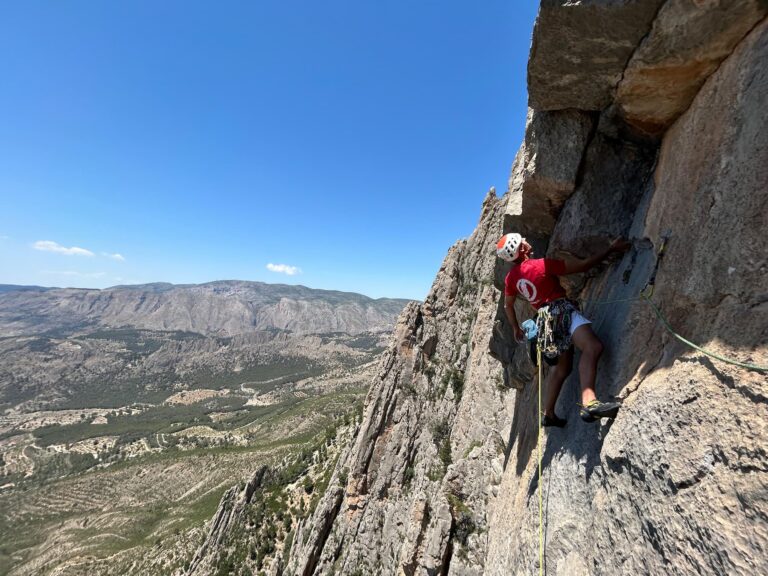 Comunidad Valenciana
Hermanos de aguja (7b (6c/A1 oblig), 500m) – Puig Campana
Read the review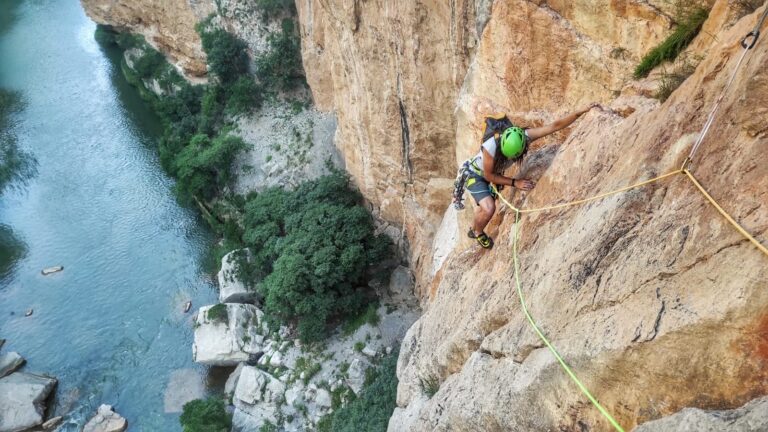 Comunidad Valenciana
Cristal oscuro (110m, 6a+), Montanejos
Read the reviewComunidad ValencianaVía Matar o Morir (6c+, 400m ) – Puig Campana
Read the review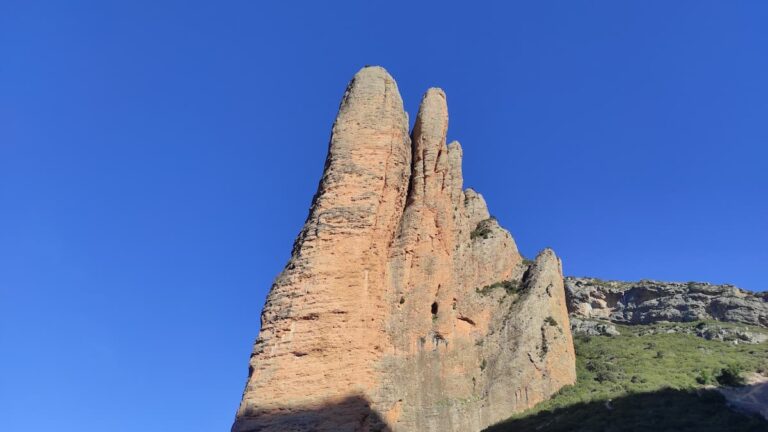 Aragón
Rabadá-Navarro al Firé (Riglos) – Vía Félix-Méndez a la punta No Importa (Mallo Firé)
Read the review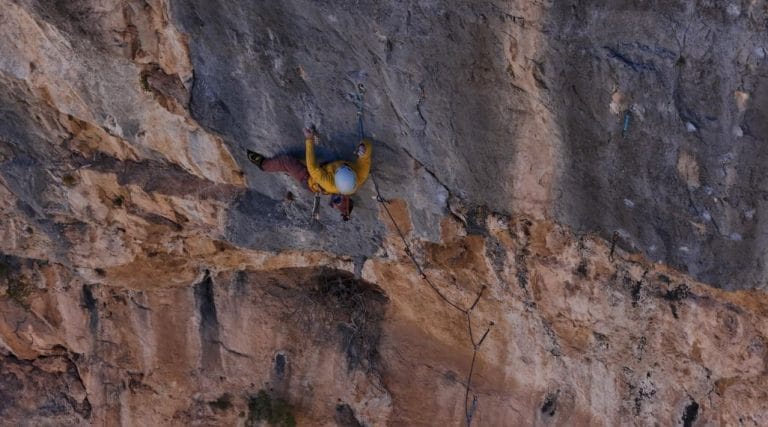 Comunidad Valenciana
Nuevos Croquis de Pared de la Presa actualizados
Read the review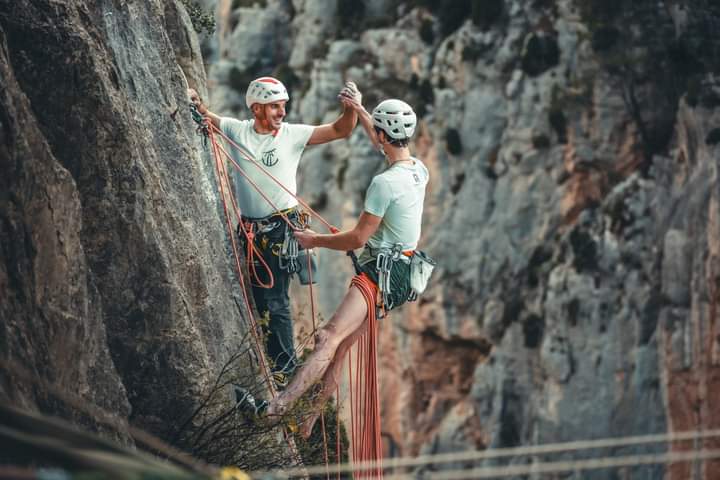 Comunidad Valenciana
Have a Vernich with Adam Ondra
Read the review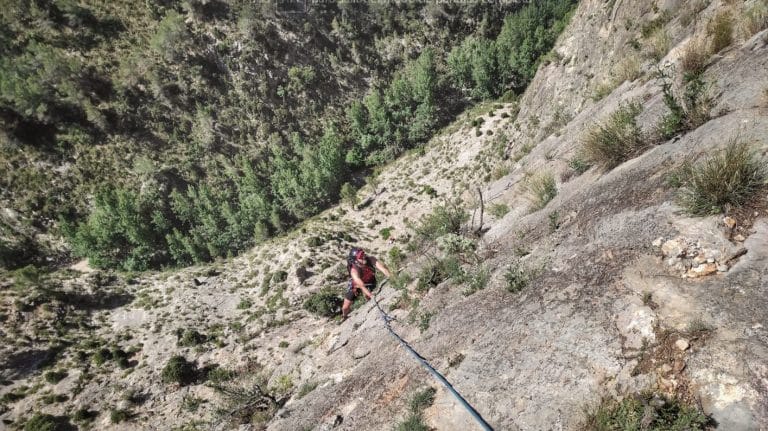 Comunidad Valenciana
Vía Neanderthal en Montanejos
Read the review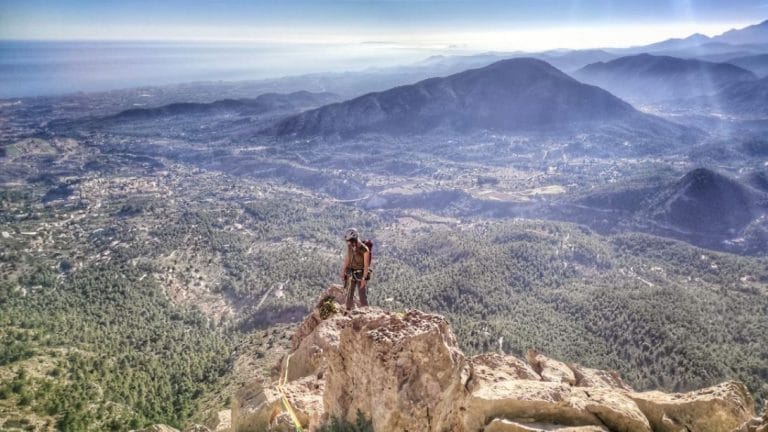 Comunidad Valenciana
Arista Aristóteles y Cresta Pepsi
Read the reviewLearn with us
Belays, abseiling, self-rescue: the skills that make you more self-sufficient on the wall, explained by certified instructors (in Spanish).
 Escalada para pricipiantes
Cómo asegurar en escalada deportiva
Read the article Maniobras
Reuniones en vías de varios largos
Read the article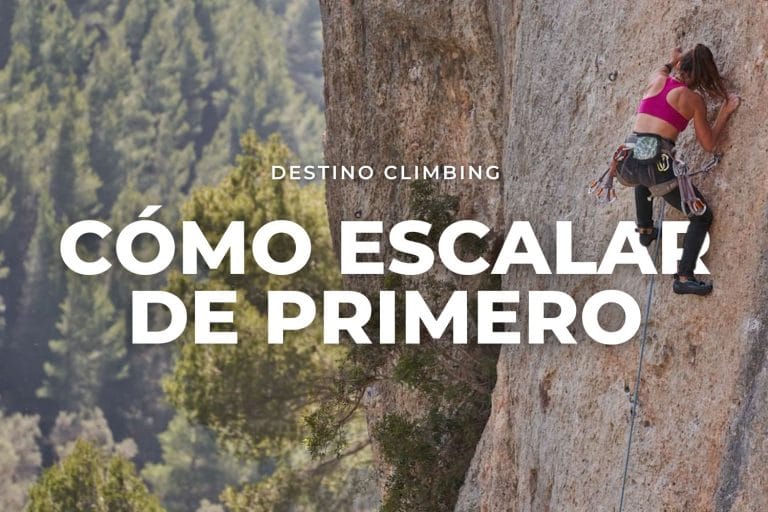 Escalada para pricipiantes
Cómo escalar de primero
Read the article Manual de escalada
Material de escalada
Read the article Escalada para pricipiantes
Escalada Deportiva: la guía del principiante
Read the article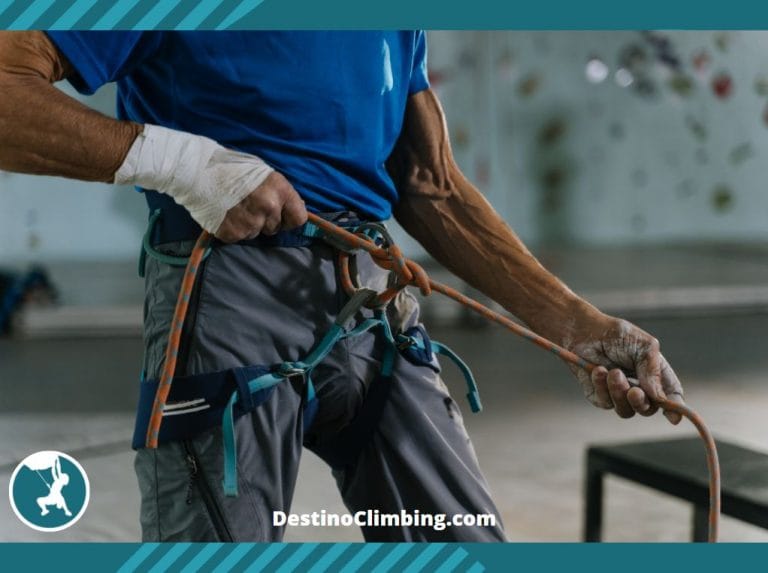 Manual de escalada
Arnés de escalada
Read the article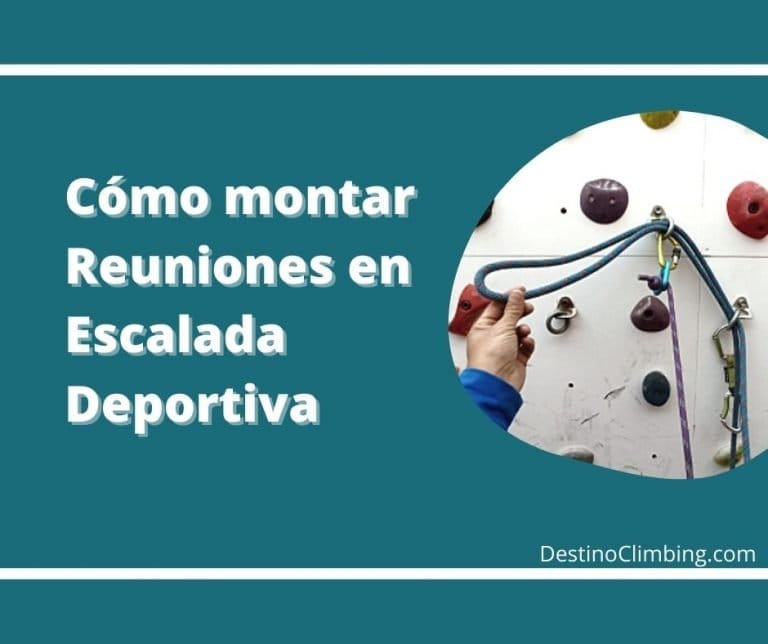 Maniobras
Reuniones en escalada deportiva
Read the articleSelf-rescue manual for climbers
5 essential techniques reviewed by certified climbing instructors (in Spanish). Download it free and keep it on your phone.
Certified climbing guides, courses and guided climbing
Destino Climbing connects climbers with certified climbing guides all over Spain. Book guided climbing, beginner courses, multi-pitch classics and coaching in the best destinations: send us your plan and we will put you in touch with the right guide.
Frequently asked questions
Do the guides speak English?
How much does a climbing guide cost in Spain?
Do I need a guide to climb in Spain?
Is it free to ask?
Ready for your next climb?
Send your plan with no commitment and we will connect you with your guide within 24 hours. You decide where and when to climb.